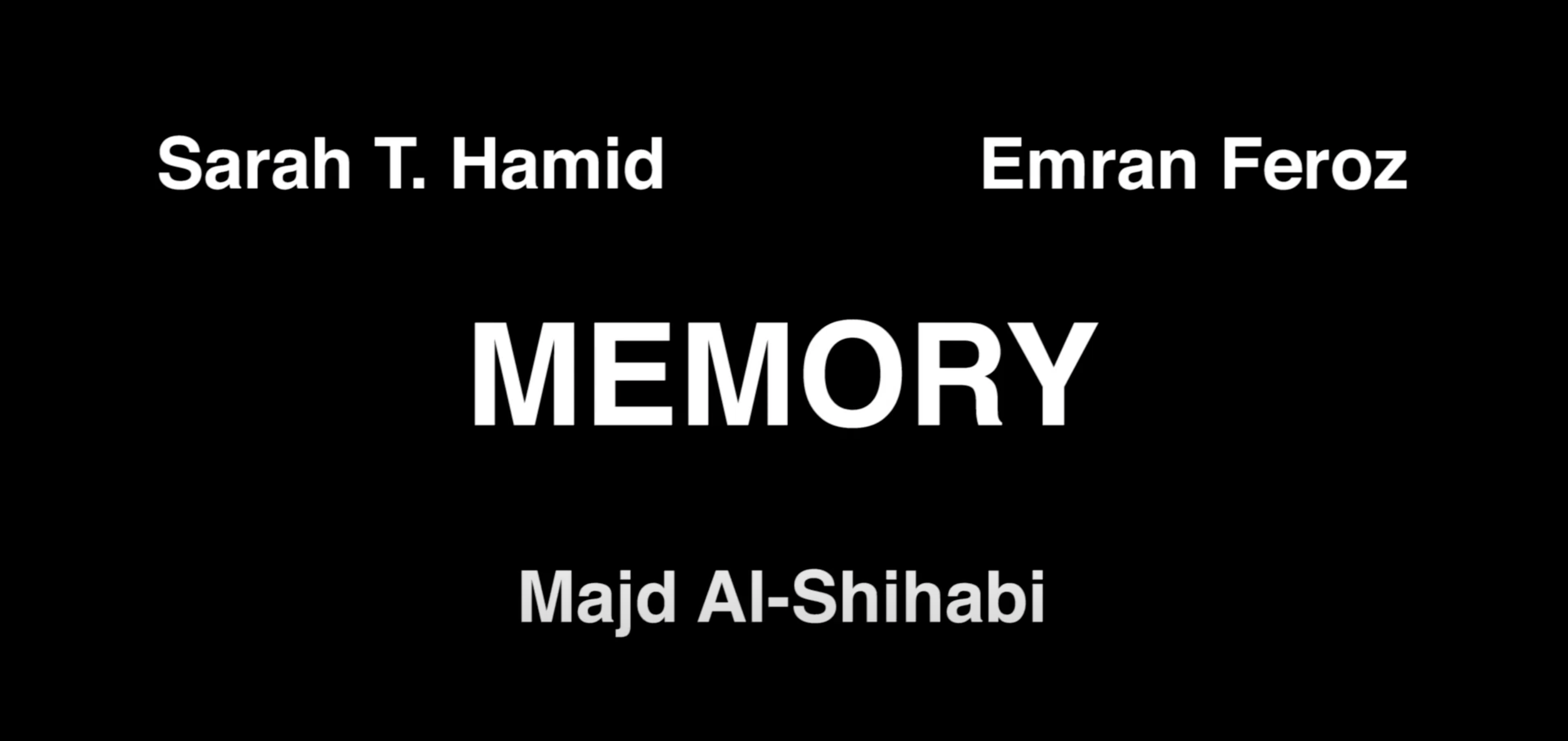
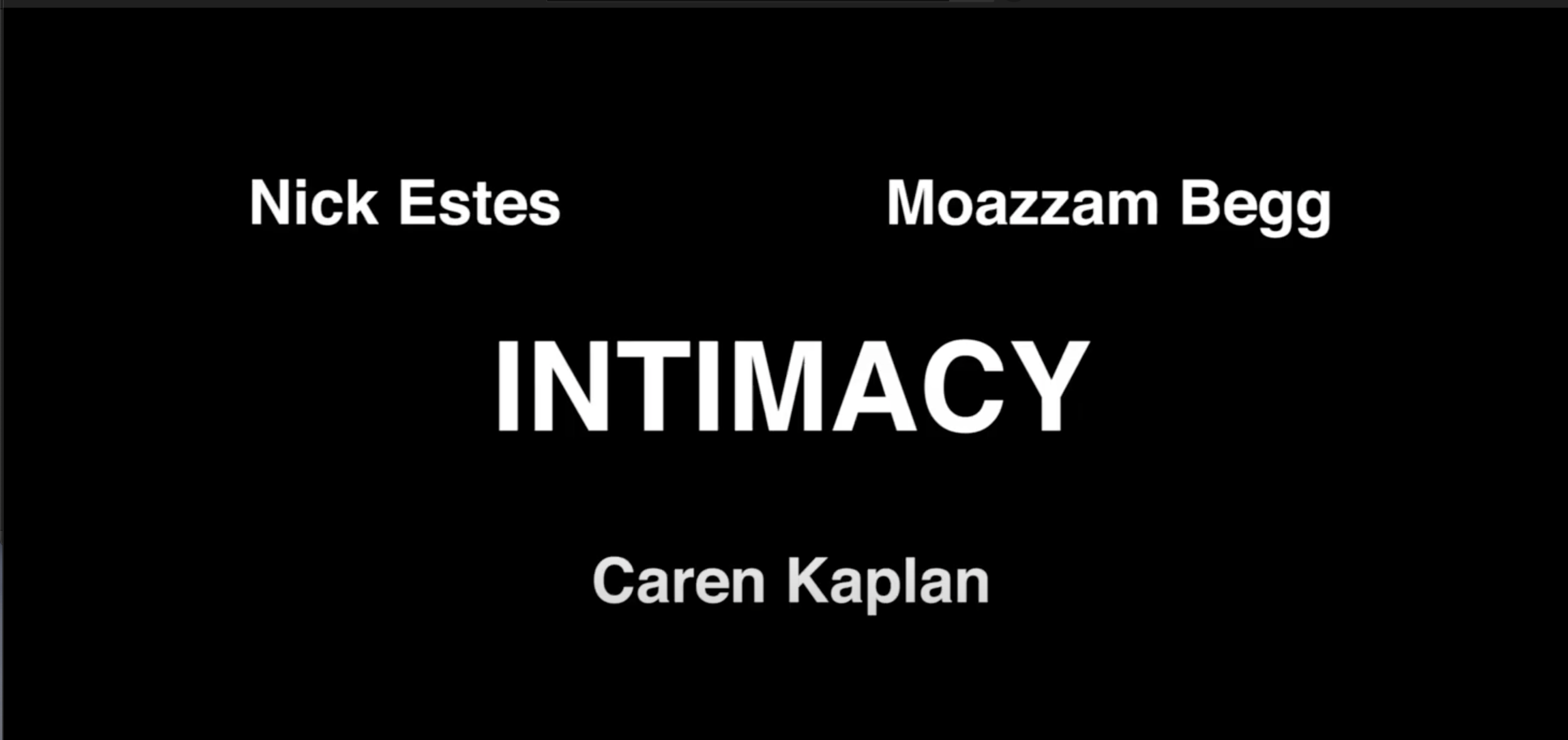
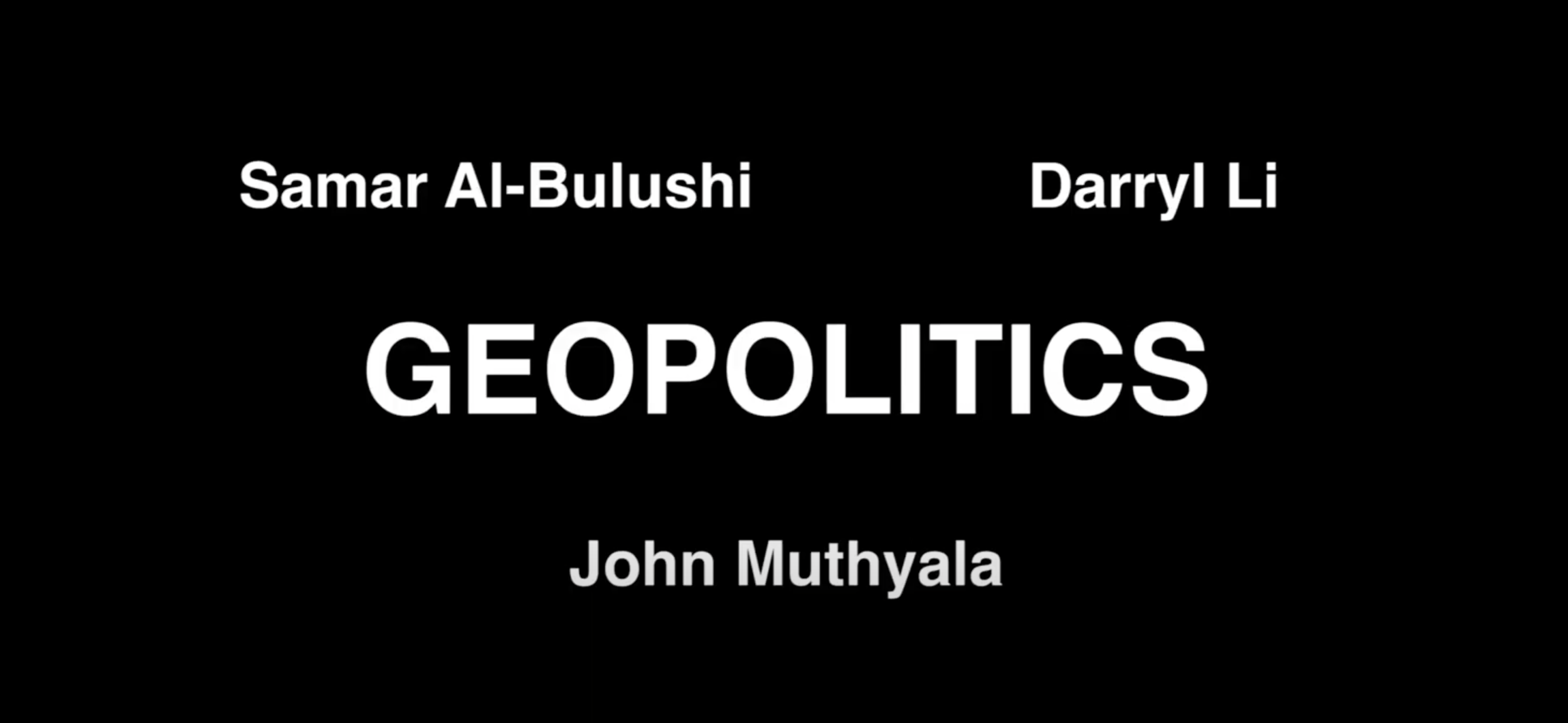
2 Seasons. 9 conversations. 28 scholars, writers, and activists
Technologies of War
As the US surpassed half a million deaths from the COVID-19 pandemic and domestic fascists attempted a coup, the country also marked the 20th anniversary of the US-led Global War on Terror. How did global and national politics coalesce into this present?
Through the work of scholars, writers and activists, Technologies of Power: Tracing Empire at Home and Abroad explored how technologies of power and empire have shaped multiple terrains domestically and transnationally. The wars ‘over there’ have a lot to tell us about struggles ‘over here’— and vice versa.
Since the turn of the 21st-century, technologies of war have led to immense destruction. Parallel to this litany of material loss, new technologies of knowing and framing the past and future have arisen: drones, aerial sensing and mapping, mass digitization of texts, algorithmic machine reading, and the first 3-D printers; all grew from technologies developed after 2002.
From imperial projects that devastated entire regions in South Asia, the Middle East, and Africa to the domestic expansion of explicit white supremacy, surveillance, and policing, US technologies of power have generated a multidirectional and dialectical relationship between foreign wars and domestic issues.
Funded by the Humanities War & Peace Initiative Grant at Columbia University, Technologies of Power will encourage intersectional conversations on race, empire, technologies, and policing that break the boundaries between ‘foreign’ and ‘domestic,’ ‘abroad’ and ‘home,’ ‘technology’ and ‘power.’
This event is co-organized with Madiha Tahir. More information at technologiesofpower.com.
This initiative was introduced in a 2025 special issue of Comparative Studies of South Asia, Africa and the Middle East, under the title “Technology and Critique: Genealogies of Digital Wars.”